

The Taxonomy Trap
We've abandoned Old World vs New World and added orange wine and "blouge." But the real problem isn't that our categories are wrong — it's that our whole way of thinking about wine is.

There is an anecdote in Gillian Tett’s book “The Silo Effect” about Sony’s first non-Japanese CEO, who used the word “silo” in a talk to the business. Japan does not store grain in silos, meaning there was no Japanese word for his translator to use. So the translator used the term Takotsubo or “lobster pots”. To the surprise of the Sony employees.
As it happens, it described perfectly what it intended to. People who were trapped like lobsters within a container into which they had willingly entered. But now isolated from the rest of the world. To their detriment.

Tett’s book is a phenomenal exploration of the perils of siloed thinking. Gillian Tett trained as an anthropologist before becoming a financial and business journalist. Which brings a distinctive perspective to her book. She shows how it’s not just that organisations suffer from being isolated into functional groups (although they do). But that silos are a way of thinking and hinder innovation and progress.
This applies, inevitably, to wine.
This is not how the wine business is split into sales and buying and marketing and operations teams1. But how people within the wine business think in siloed ways about wine itself. To the detriment of the business.
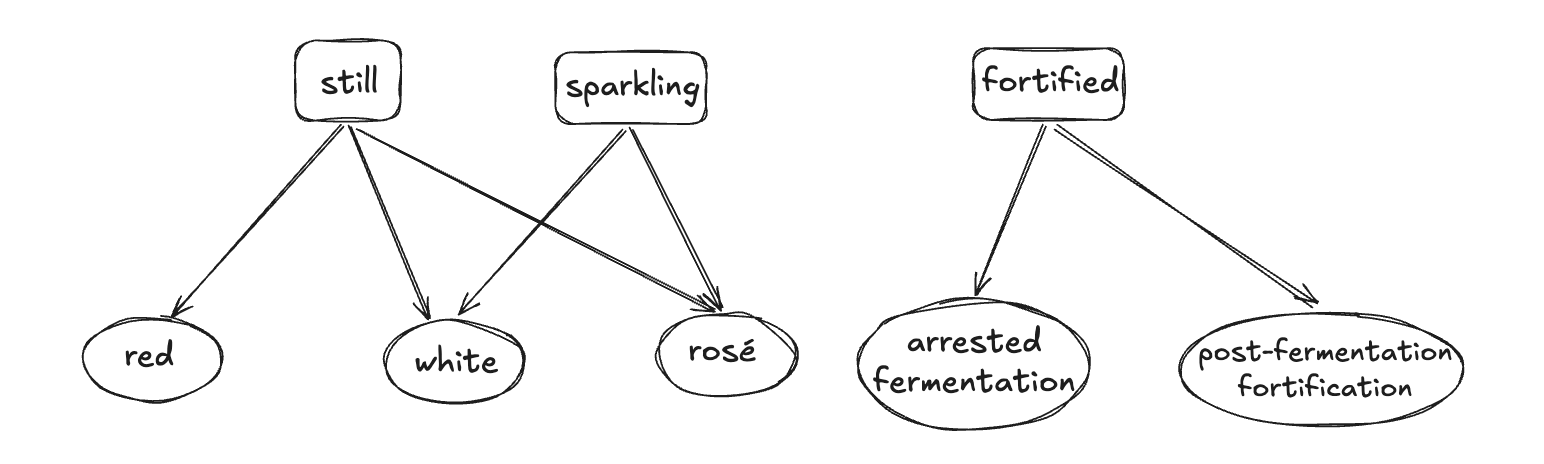
This sort of siloed thinking is hard-wired into “wine people” from the beginning. And is entirely forgivable. The world out there is complicated. So humans have naturally created all manner of “taxonomies” or categorising systems to help make sense of it. I’m not arguing they or we shouldn’t. But as Gillian Tett demonstrates, we should be a lot more aware of them, and cautious about them.
I say “a lot more” as the wine business has a tendency to pat itself on the back when critiquing the problems with its own taxonomies.
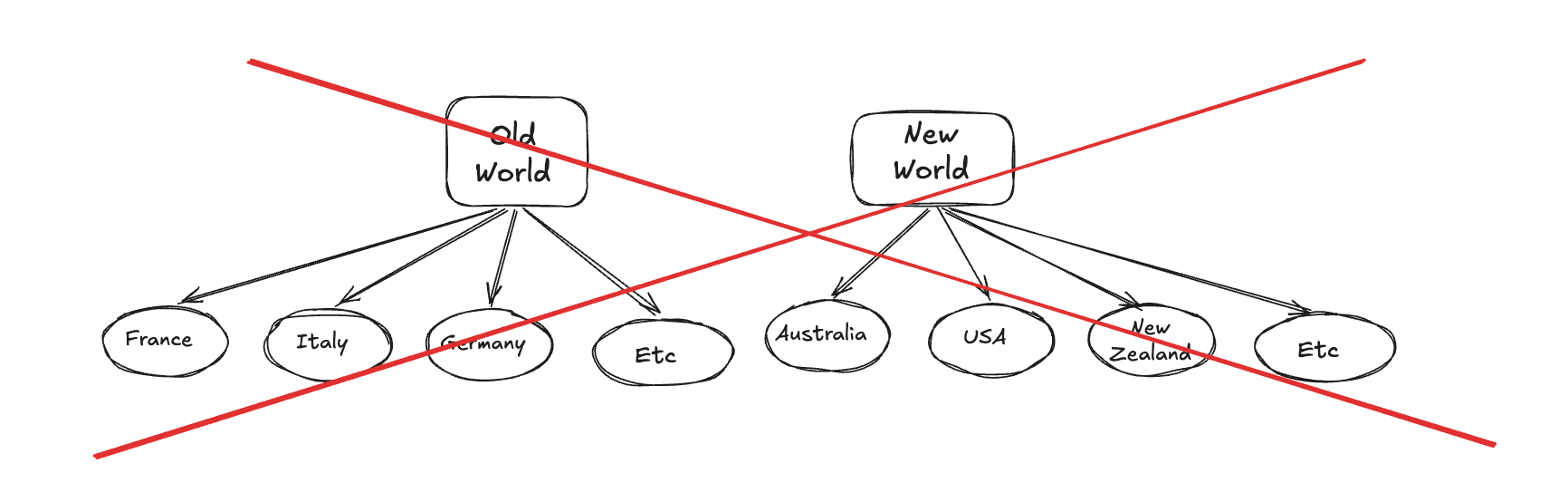
The business is prone to rather virtuously pointing out that has rejected unhelpful taxonomies. Like how we tend not to talk so much about old vs new world wines. Everything from “The Judgement of Paris”, to every recreation of The Judgement of Paris, to any attempt at passing the Master of Wine tasting papers shows that claims for a meaningful and identifiable distinction between wines from the “Old World” and “New World” are largely bogus. Or at the very least so leaky at the seams that they’re not really helpful. So we’ve abandoned it.
Yay. Hooray for us.
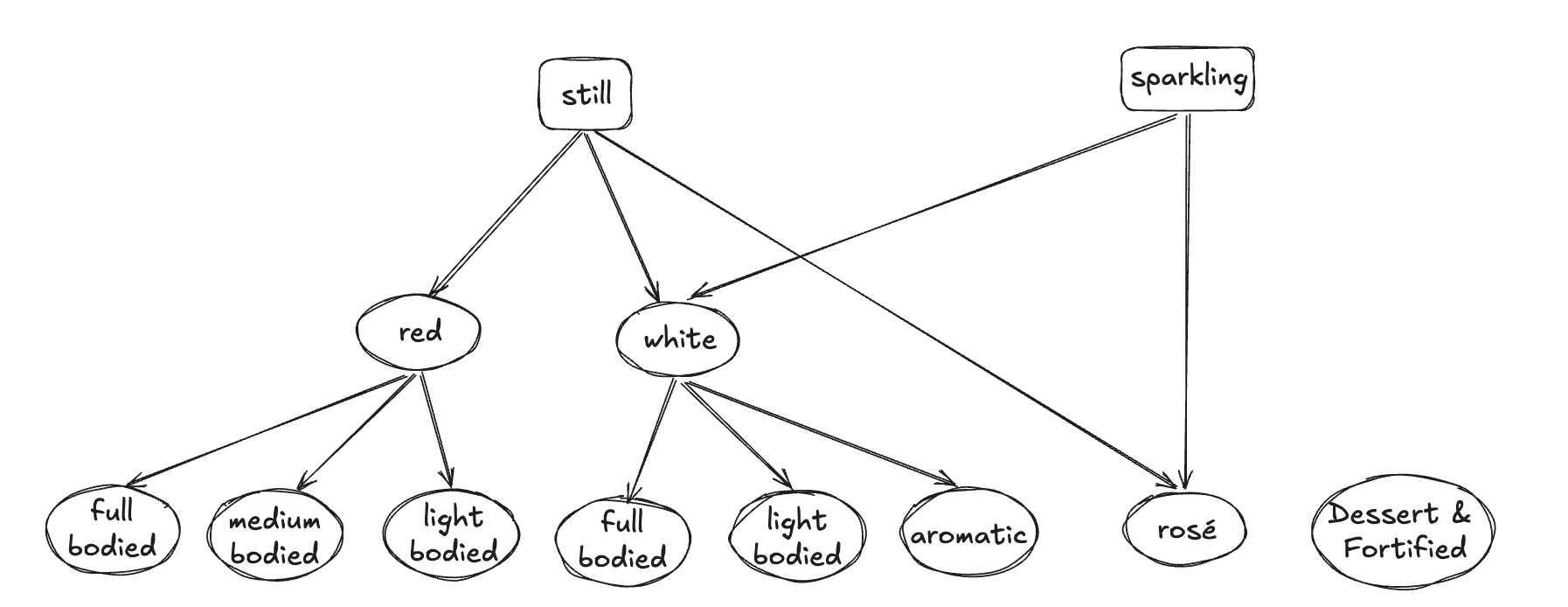
Unfortunately, the other way the wine business goes about “silo busting” is to keep the existing silo, but make it more complicated. This has long been one of my objections to “wine by style” restaurant lists and retail merchandising. It seems to assume that the way we consider and think about the (wine) world is not at fault. Merely that we haven’t applied enough nuance to it.
But the challenge then is that you can never have enough nuance for what is an almost infinitely complicated project category.
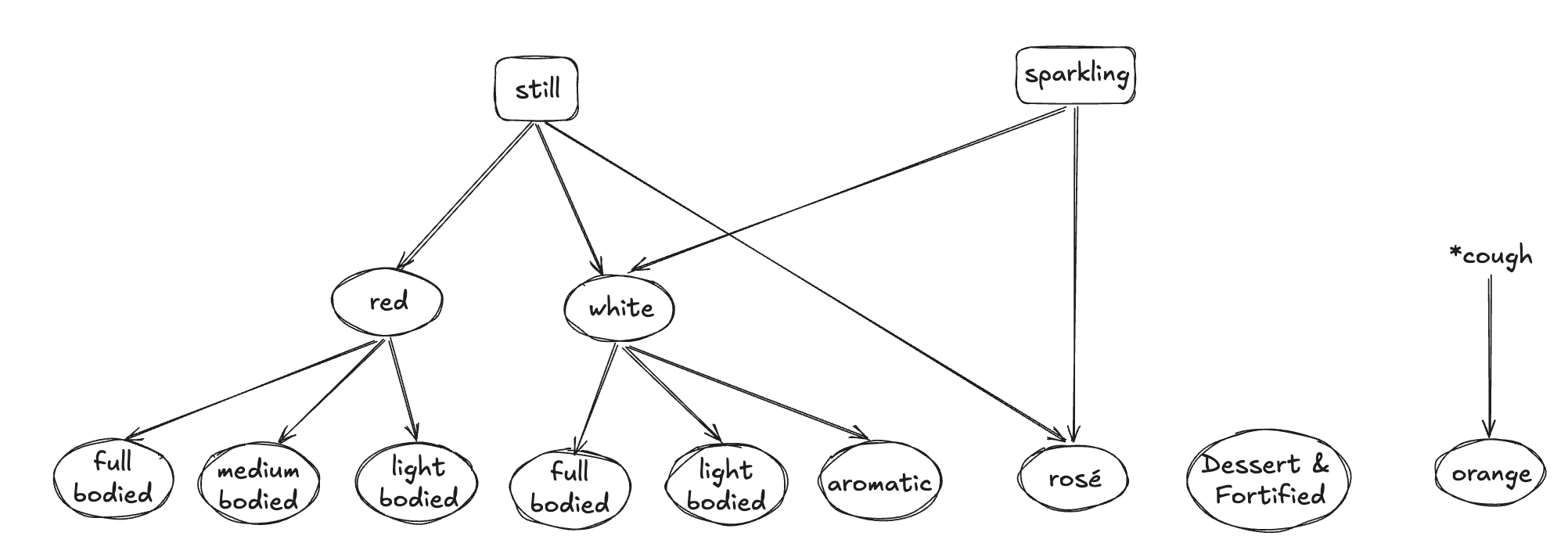
You make an additional category like adding “orange”. But before anyone thanks you there’s a man in a beanie hat and Japanese selvedge denim saying “hey, what about blouge?”
The problem isn’t that we don’t have enough different siloes to put wine categories in. It’s that we’re in a silo that thinks this is how you categorise the world of wine.
